

Pearl | June Birthstone
The English name of pearl is Pearl, which is derived from the Latin word Pernulo.
Another name of pearl is Margarite, which is derived from ancient Persian Sanskrit and means "son of the sea".

Pearl Origin
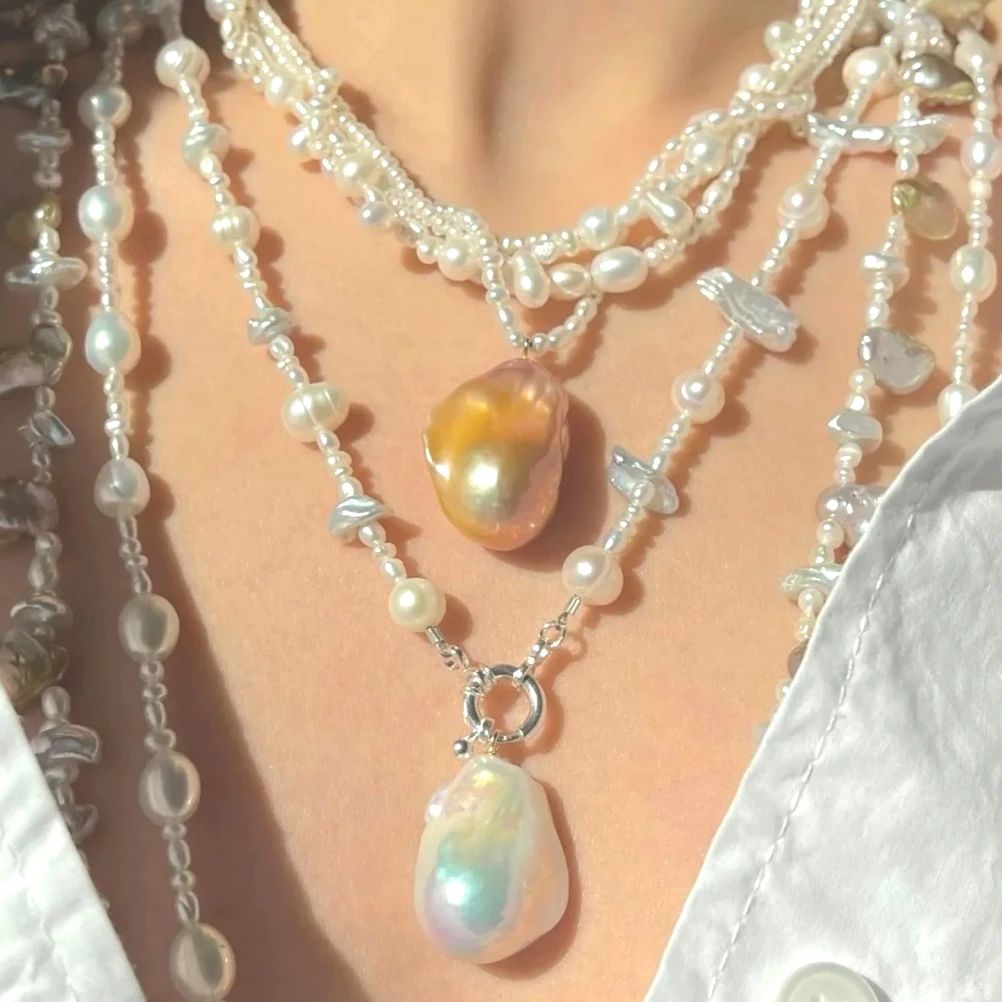
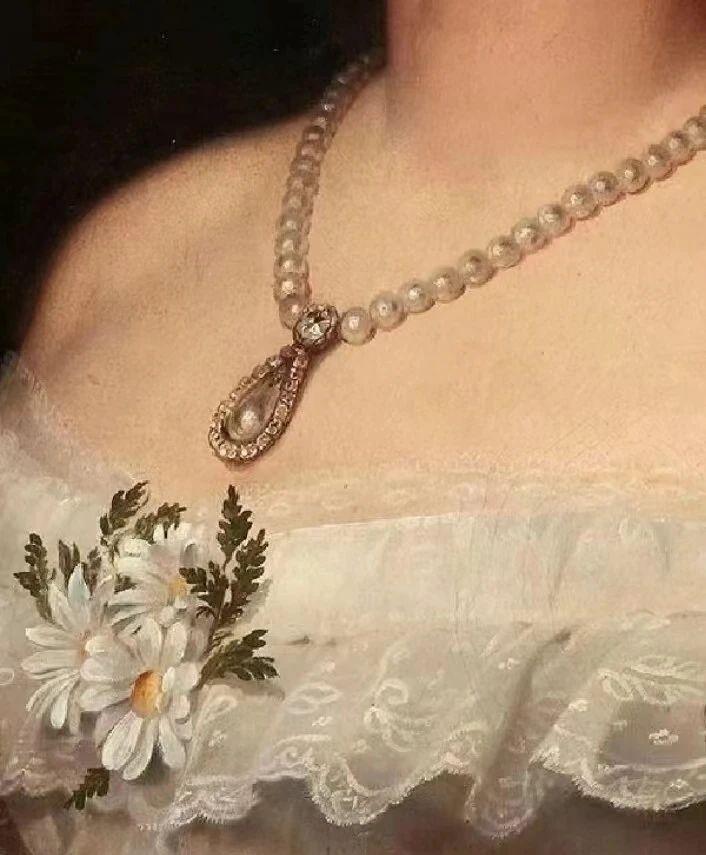


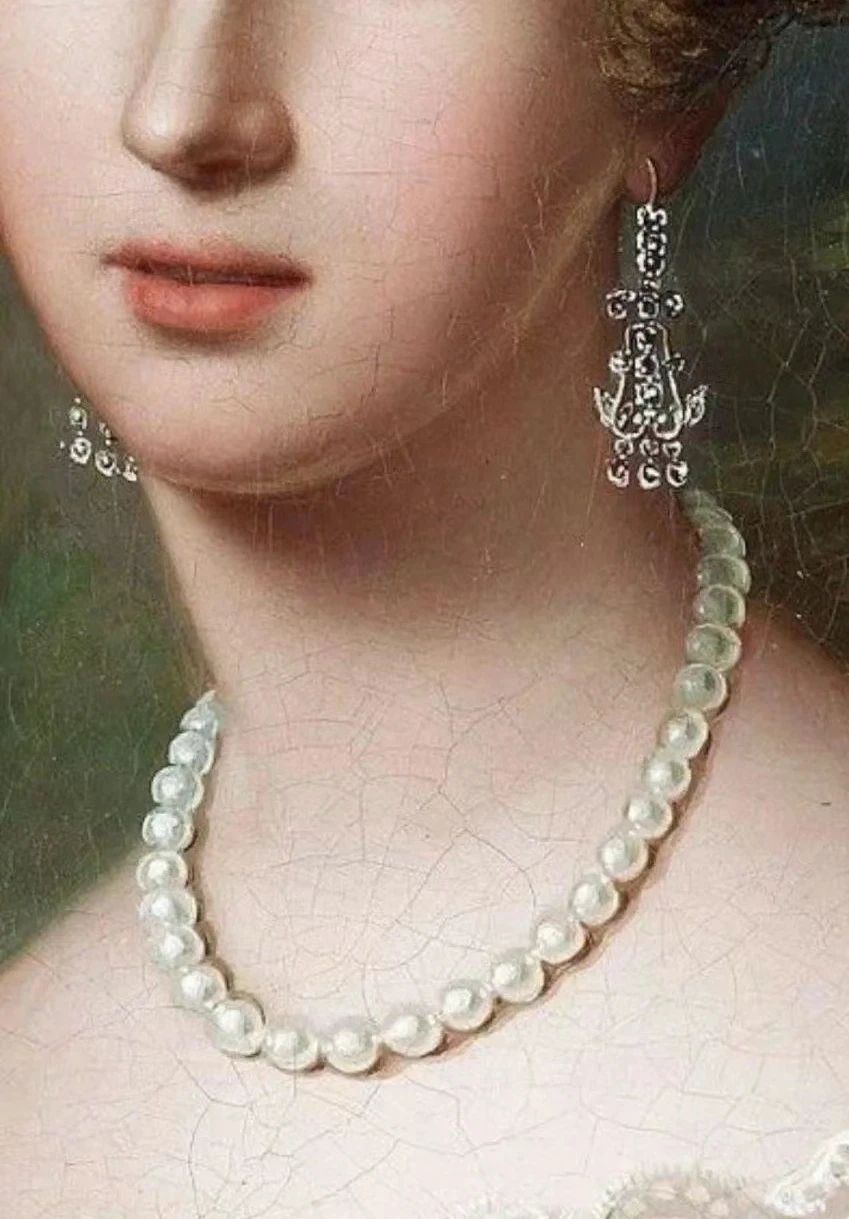
Pearl Origin
Pearls are produced in certain types of shellfish called mollusks.
The most important pearl-producing mollusks are saltwater oysters and freshwater mussels.
These animals belong to a subfamily of mollusks called bivalves, in which the shell consists of two parts connected together.
Pearls can also be found in gastropods, such as the rare conch pearls.
Purity and elegance
The formation of pearls requires a long and arduous process,
which makes it a symbol of purity and elegance.
It is like us in life,
it needs to go through all kinds of hardships to grow,
to shine brightly.
Therefore, pearls imply that we should keep our hearts pure,
pursue elegant qualities, and bravely face the challenges of life.
Wisdom and courage
The formation of pearls requires a combination of wisdom and courage.
In the ocean, tiny shellfish need to respond to environmental changes wisely and endure pain bravely to breed brilliant pearls.
This also inspires us to bravely face the difficulties and challenges in life and use wisdom to solve problems in order to harvest our own pearls.
Unique and precious
Each pearl is unique, and they have their own unique shape, color and luster.
This makes pearls a symbol of uniqueness and preciousness.
Similarly, each of us is unique and has our own unique talents and charms.
We should cherish our uniqueness, bravely show ourselves, and become the brilliant pearls in life.
The formation principle of pearls
Similar to the growth process of shells, the material composition, color and luster of the two are very similar.
Shells are an inseparable part of molluscs, while pearls are more like byproducts of shells.
Main characteristics of pearl identification
1. Luster and color
The lustre of real pearls is soft and warm,
and has a unique iridescent effect, showing different colors at different angles;
The lustre of fake pearls is usually too bright and dazzling
2. Texture and texture
The surface of real pearls will have tiny bumps and bumps, which are naturally formed during the growth process;
The surface of fake pearls is relatively smooth and lacks these natural textures.
3. Friction feeling
Gently rub two pearls together. Real pearls will feel gritty, while fake pearls will feel very smooth.
Observe the inside of the drill hole
Real pearls usually have some nacre inside the drill hole,
showing a luster and texture similar to the surface of the pearl;
Fake pearls are often very smooth inside the drill hole,
lacking these characteristics.
When bitten by teeth, real pearls will feel gritty, while fake pearls will not feel this way.
How are pearls formed?
The formation of pearls is actually a painful process.
We all know that pearls grow in shellfish. When the shell opens, if a grain of sand, a parasite or other foreign matter enters the shellfish and cannot be expelled,
it will be like sand in a person's eyes. The shell will feel pain and itch. In order to relieve its pain, it can only continuously secrete nacre to wrap it up, forming a pearl sac.
Over time, the nacre becomes thicker and thicker, and after forming a thick layer of nacre, it becomes the pearl we see now. That's why it is said that the formation of pearls is a painful process.
The formation of pearls originates from the rejection reaction and self-protection function of shellfish mollusks.