

Sapphire | September Birthstone
PART
01 / Basic properties of sapphire
——————————————————————————♥
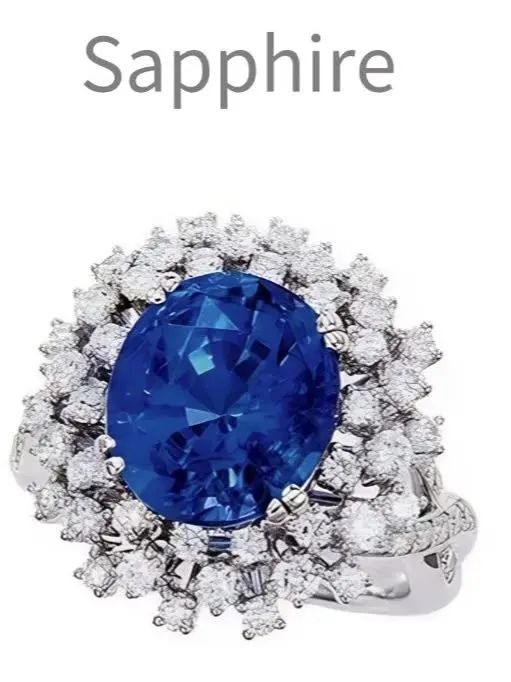
Sapphire is a gem-quality corundum mineral whose chemical composition is mainly aluminum oxide (Al2O3). Sapphire is one of all the colors of corundum except red.
Sapphire is one of the hardest naturally occurring minerals, with a Mohs hardness of 9, second only to diamond, making it ideal for use in jewelry. In addition to its beautiful color and lustre, sapphire is also valued for its excellent physical properties, such as scratch and chemical resistance.
The biggest feature of sapphire is uneven color. You can see straight color bands and growth lines of different shades arranged in parallel hexagonal prisms. Polysynthetic twins are well developed, and louver-type twins are common. Cracks are mostly split along twin planes. Strong dichroism.
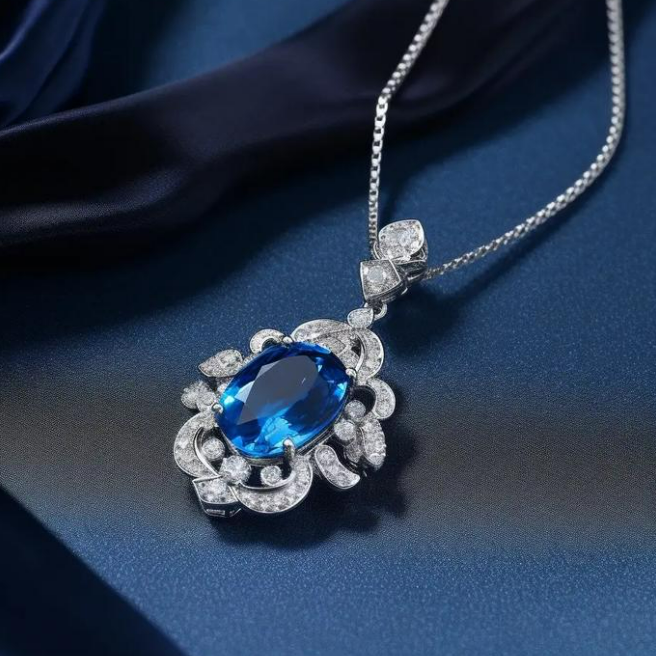
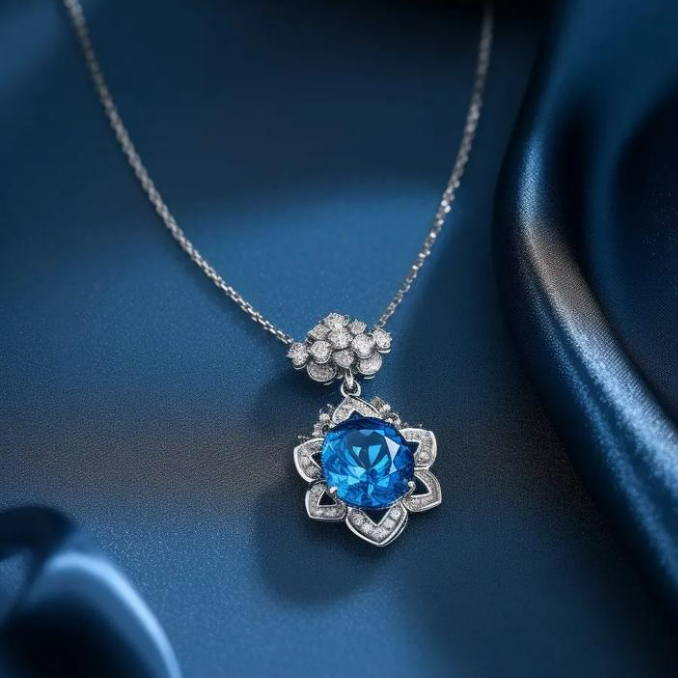
✦ Sapphire ✦
(1) Physical properties: Sapphire belongs to the trigonal crystal system. Most of the crystals are barrel-shaped or columnar, and a few are plate-shaped or leaf-shaped. The main crystal types are hexagonal columns, hexagonal bipyramids, rhombohedrons, and parallelepipeds. The density is 3.90g/cm³-4.10g/cm³.
The Mohs hardness is 9 degrees, and its relative thermal conductivity is 2.65. The common colors of sapphire are blue and yellow, and there are also green, orange, purple, brown, and transitional colors of the above colors.
(2) Chemical properties: Its chemical composition is A1₂0₃. Corundum is a heterochromatic mineral. When pure, it is colorless and transparent. When the crystal contains trace impurity elements, it can be colored. When it contains trace elements of titanium and iron, it can be blue, and when it contains chromium, it can be red. Sapphire has the properties of acid resistance, alkali resistance, high temperature resistance, thermal conductivity, electrical conductivity, and stable chemical properties.
(3) Optical properties: Blue sapphire has strong dichroism. When observed along the vertical and parallel C-axis directions, different colors can be seen. The refractive index of sapphire is 1.762-1.770, and the birefringence is 0.008. Sapphire often has optical effects such as starlight, cat's eye, and color change.
PART
02 / Sapphire Origins and Deposits
——————————————————————————♥
✦ Sapphire Origin Distribution ✦
Natural sapphires are found in Thailand, Sri Lanka, Madagascar, Laos, Cambodia, China (Shandong Changle, Hainan, Chongqing Jiangjin Shisun Mountain), etc. Sri Lanka is a world-famous sapphire production area, and the sapphires produced are famous for their high quality and dazzling brilliance.
The rarest production area should belong to the Kashmir region (Kashmir sapphires were discovered in 1879, but the official mining was announced to be over in 1889), and Myanmar is the place where the most high-quality sapphires are produced today.
In the 1980s, many sapphire deposits were discovered in the basalt along the eastern coast of China (sapphire deposits are a type of corundum deposits. There are many types of sapphire deposits, including alkaline olivine basalt-type sapphire deposits, basalt-type sapphire deposits and olivine nepheline-type sapphire deposits, but they are mainly produced in alkaline basalt).
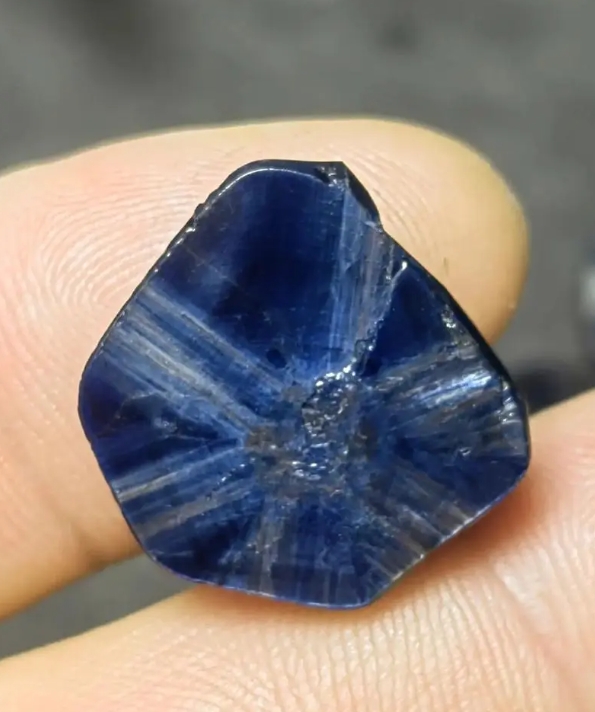
Sapphire crystals produced by basaltic magma. They are formed by early crystallization in the mantle basaltic magma. As the magma cools, sapphire crystals are distributed in deep magmatic rocks. During the eruption of magma, sapphire crystals are carried to the surface. This type of deposit is the largest sapphire deposit in the world.
The sapphires in this type of mining area are dark in color and can become high-quality sapphires after high-temperature color change.
PART
03 / Sapphire Color and Classification
——————————————————————————♥
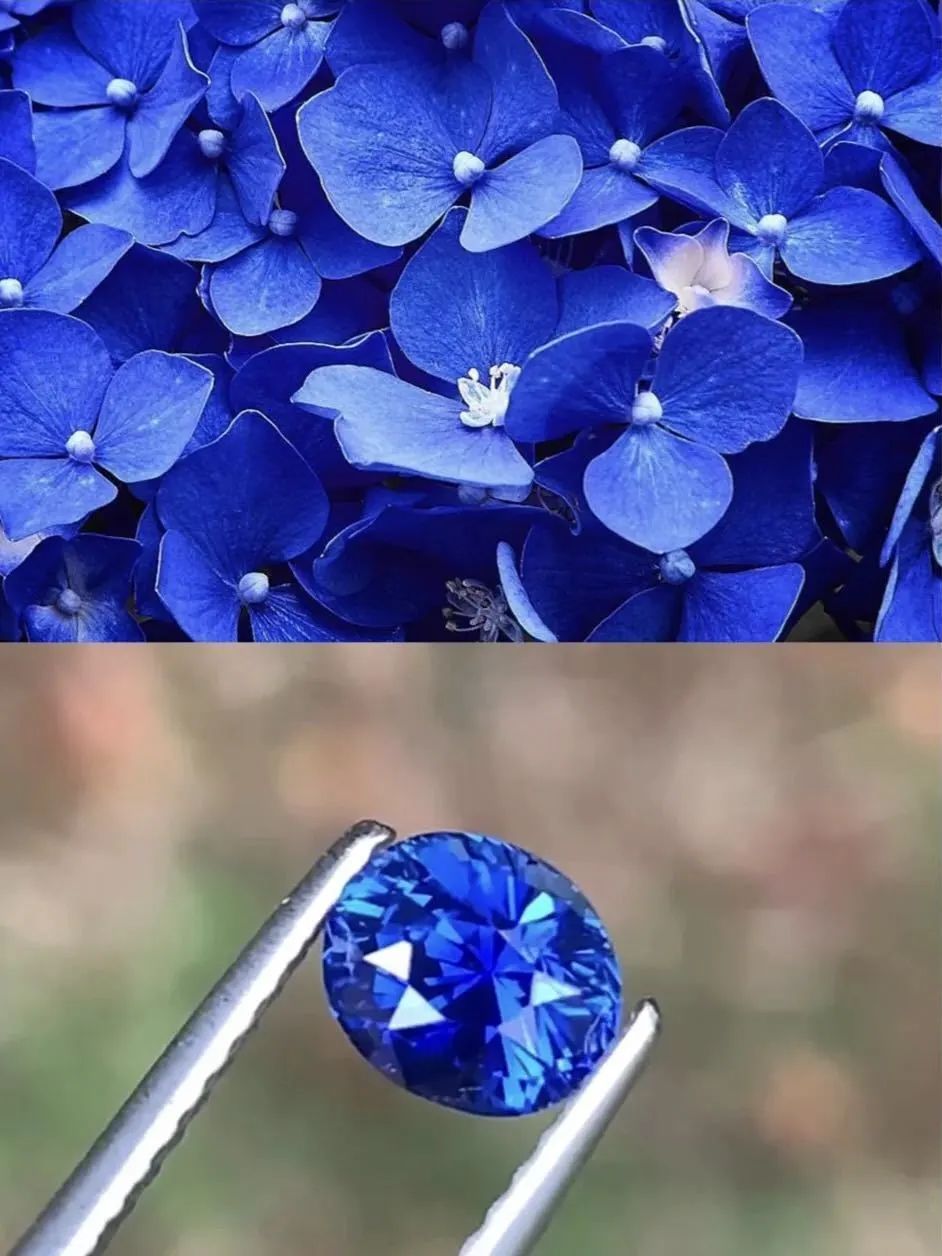
The blue color of sapphire is due to trace amounts of impurities such as iron (Fe) and titanium (Ti). These impurities replace some aluminum atoms in the corundum crystal lattice, changing the way light is absorbed and producing a beautiful blue color.
Sapphires are divided into two categories according to their color: blue sapphires (generally called sapphires) and colored sapphires (specifically named according to their colors, such as yellow sapphires, pink sapphires, etc.).
Color is one of the important factors affecting the value of sapphires. Its grades are divided into:
-Light
-Medium
-Intense
-Vivid
-Deep
When choosing colors, we prefer good brightness, high saturation, and bright colors.
Royal blue: a pure blue or slightly purple blue. It is one of the high-rated sapphire colors. (Mainly produced in Myanmar and Sri Lanka)
Cornflower blue: a slightly purple blue with a hazy velvety texture. (Mainly produced in Kashmir)
PART
04 / Processing, meaning and use
——————————————————————————♥
In the market, natural sapphires that have not been heated are usually more valuable than heat-treated sapphires. Heat treatment is a common practice that aims to enhance the beauty of gemstones by improving color and transparency.
1. Unheated: refers to pure natural and has not undergone any processing. The appraisal certificate will indicate "No indication of thermal treatment";
2. Heated: refers to gemstones that have been artificially heat-treated, which is an optimization. The GRS certificate will indicate "H (Heated)". Heating is divided into "old heating" and "new heating":
① Old heating (H): The traditional optimization method, only simple heating, is to imitate the conditions when the gemstone was created thousands of years ago for optimization, no new substances are injected, and it is still considered natural in the official standards of some countries or laboratories;
② New heating (Ha/b/c/d*): Other substances will be added during the heating process, and there will be residues inside the gemstone after treatment. It is not optimized, but also processed.
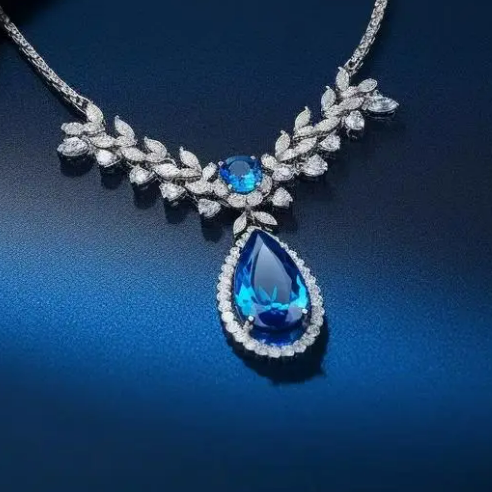
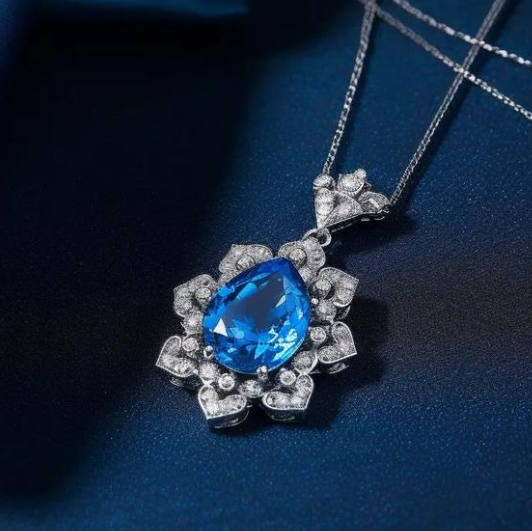
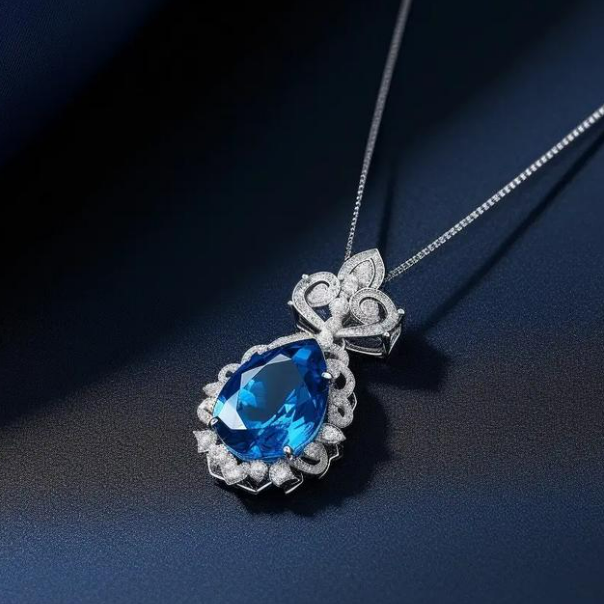
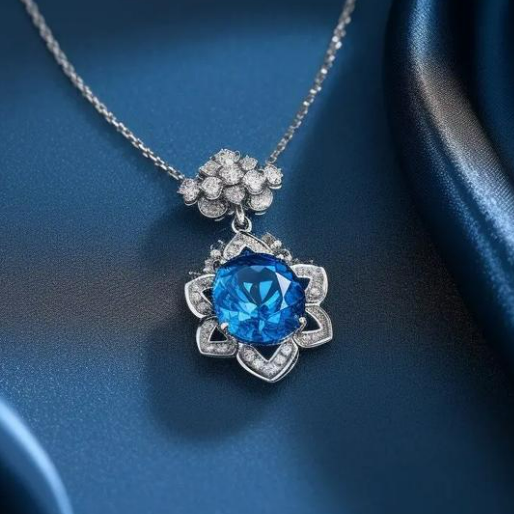
Sapphire symbolizes loyalty, steadfastness, love and honesty. Star sapphire is also known as the "Stone of Destiny", which can protect the wearer's safety and bring good luck.
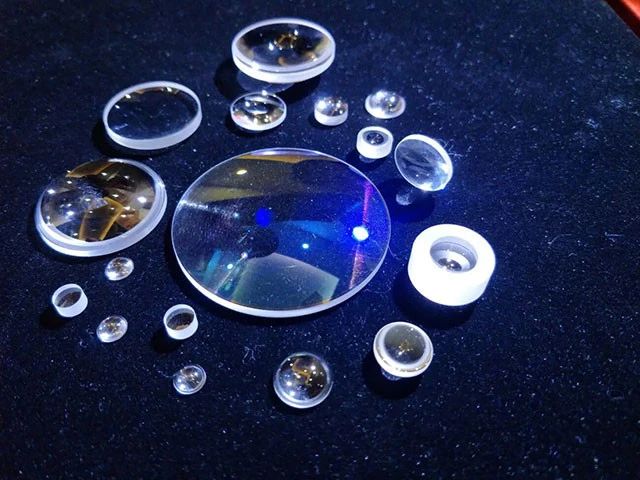
✦ Sapphire optical lens ✦
In addition to its use as jewelry, sapphire has some industrial applications, such as making wear-resistant windows, components of scientific instruments and high-durability parts of electronic equipment. In addition, synthetic sapphire is also often used to make watch faces and other high-precision industrial applications due to its hardness and durability.
PART
05 / Cutting-edge scientific and technological achievements
——————————————————————————♥
As the transistors in the chip continue to shrink toward the nanoscale in accordance with Moore's Law, the dielectric materials that play an insulating role have rapidly reduced their performance due to the reduction in thickness. How to match better dielectric materials with smaller transistors has become a goal that scientists in the field of integrated circuits have been pursuing.
Today, the team of Researcher Di Zengfeng from the Shanghai Institute of Microsystem and Information Technology of the Chinese Academy of Sciences (hereinafter referred to as "Shanghai Institute of Microsystem and Information Technology") has made a breakthrough in the development of single-crystal metal oxide gate dielectric wafers for low-power two-dimensional integrated circuits.
The artificial sapphire they developed using innovative technology can still effectively achieve insulation at a thickness of 1 nanometer. This will make it possible to have smartphones with ultra-long battery life or ultra-low power chips. The relevant paper was published in the international academic journal Nature on August 7.
Because artificial sapphire can effectively prevent current leakage, in the face of this huge challenge in the integrated circuit industry, the team of researcher Di Zengfeng from the Shanghai Institute of Microsystem and Information Technology has developed an innovative single-crystal metal intercalation oxidation technology.
The core of this technology is that it can precisely control the oxygen atoms to embed layer by layer into the aluminum lattice at room temperature to form an ordered single-crystal aluminum oxide dielectric material - sapphire.
With the development of emerging technologies such as 5G, edge computing and smart homes, the demand for low-power, high-performance chips continues to increase. In addition, this technology has broad application prospects and will help popularize the next generation of smart devices.