

What does a 3-pound emerald look like? Gemfields has launched the largest high-quality emerald rough stone to date - the Rhino Chipembele Emerald
On Monday, November 8, 2021, at 11:00 GMT, Gemfields is proud to introduce the Chipembele Rhino Emerald, the largest (weighing approximately 7,525 carats, approximately 1.505 kg) high-quality emerald rough discovered recently at the brand’s Kagem emerald mine in Zambia.
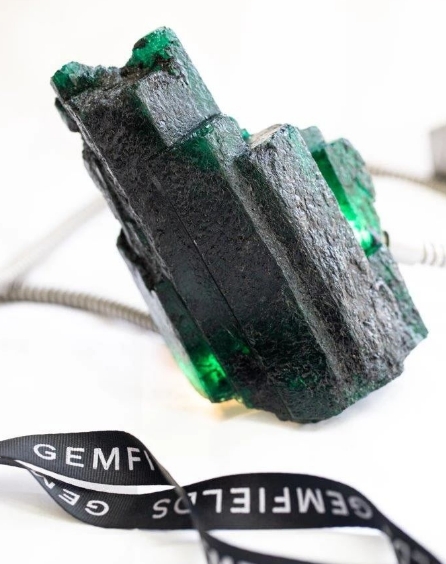
Figure 1. Gemfields in Zambia displays the high-quality "Rhino Chipembele" emerald, weighing 7,525 carats, produced in the Kaqimu mining area (Source: Gemfields)
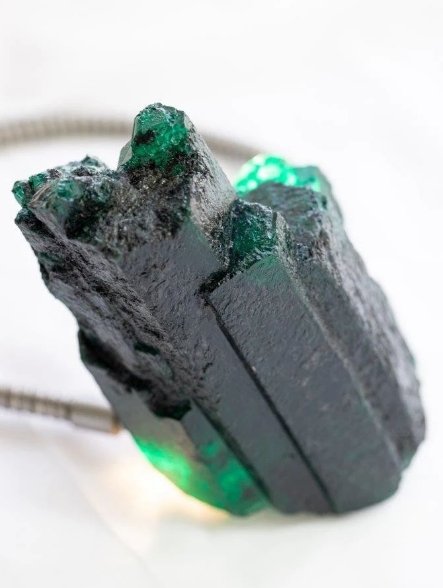
Figure 2. Gemfields in Zambia displays the high-quality "Rhino Chipembele" emerald, weighing 7,525 carats, produced in the Kaqimu mining area (Source: Gemfields)
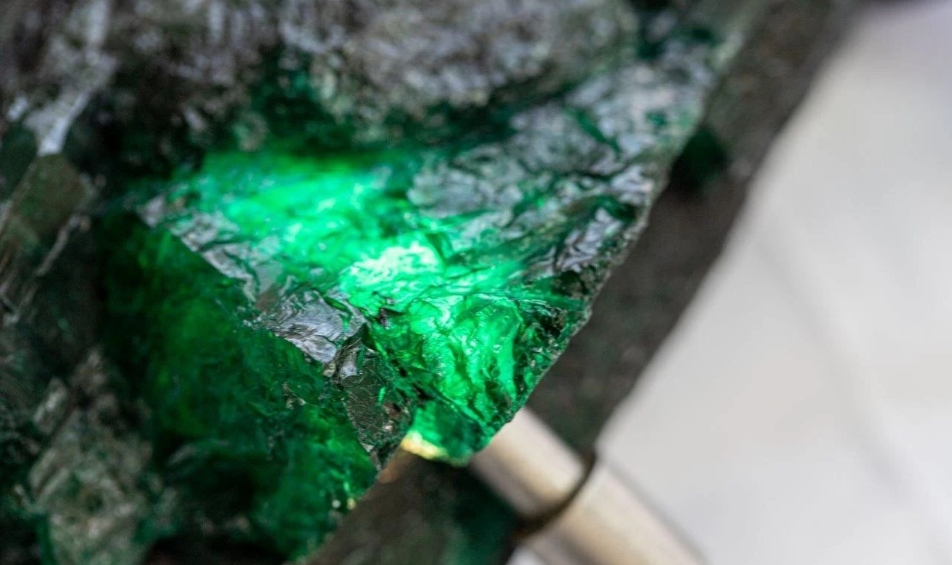
Figure 3. Gemfields in Zambia displays the high-quality "Rhino Chipembele" emerald, weighing 7,525 carats, produced in the Kaqimu mining area (Source: Gemfields)
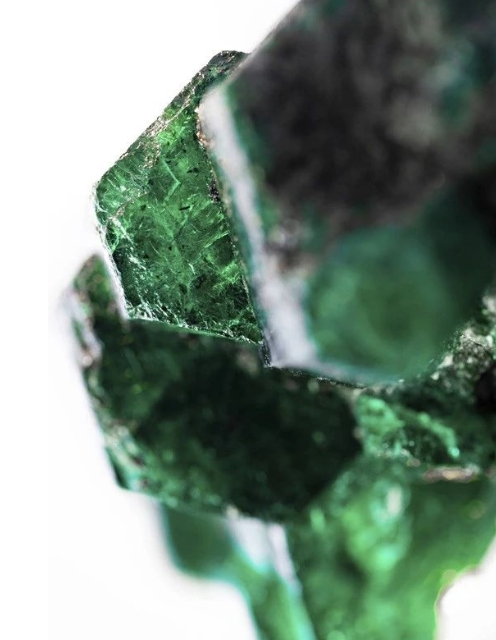
Figure 4. Gemfields in Zambia displays the high-quality "Rhino Chipembele" emerald, weighing 7,525 carats, produced in the Kaqimu mining area (Source: Gemfields)
Traditionally, only the rarest and uncut emeralds are eligible for naming. Although there is no official archival record, according to industry consensus, no more than 30 gems have been named so far, and single gems weighing more than 1,000 carats are extremely rare. This boulder weighing about 7,525 carats (equivalent to 1,505 grams) was named "Chipembele Emerald". "Chipembele" means "rhino" in the Bemba local language, making it one of the most noble and dazzling treasures in the world, extremely rare and well-deserved.
The Chipembele Rhino Emerald was discovered at the Kagemu Emerald Mine, which is jointly owned by Gemfields and the Zambian government. The mine is the world's largest single emerald deposit. Two emerald rough stones named "Insofu" and "Inkalamu" were discovered near the mine in 2010 and 2018 respectively. The former means "elephant" in the local language of Bemba, and the latter means "lion". The names are enough to show how precious these two emerald rough stones are. The Chipembele Rhino Emerald was discovered by famous geologists Manas Banerjee and Richard Kapeta and their team in the Kaqimu area on July 13 this year. Kapeta in the mining team was also the leader of the discovery of the Inkalamu emerald rough stone that year (October 2018). According to people's recollections of the whole process of discovering the Chipembele Rhino Emerald - everyone was so surprised that they couldn't speak, and Kapeta was overjoyed and shouted "Look at this rhino horn!" The name of the Chipembele Rhino Emerald was born from this.
This rare emerald rough stone, as big as a rhino horn, was formed under nearly perfect environmental conditions. It is rich in beryllium, chromium and vanadium. During the long geological process, it slowly crystallized into a huge hexagonal crystal with clear edges and corners, and now has a smooth and transparent glass-like delicate form. However, to mine such a huge, rare and high-quality emerald rough stone intact, it is thanks to the skilled technology of the Kaqimu mining team. With rich experience, the team chose soft mining techniques to mine the emerald mineralized area, and finally successfully excavated this unparalleled rhino horn-shaped emerald rough stone. Through its rich and deep dark green color and the faint golden light, we can fully imagine that after cutting and polishing, this treasure will be made into an extraordinary product that will make all kinds of buyers crazy, elegant and magnificent, and elegant and extraordinary.
It is reported that this breathtaking treasure will be publicly auctioned at the next Gemfields emerald auction and will be previewed in early November. At that time, invited guests will be able to see its extraordinary brilliance. The emeralds selected for the auction will also be sent to Gübelin for proof of origin certification and source traceability services according to routine procedures. All emeralds that are identified will be embedded with nano-scale particles to encode and mark the source information of the gemstone, including the location of the mine, the date of mining, and the mining operator, which will become the DNA that the emerald carries throughout its life. This Gübelin-exclusive "Emerald Paternity Test" service aims to provide buyers with more detailed, clear and reliable information on the provenance of gemstones, helping the gemstone industry to improve its transparency and promote industry credibility. The buyer who successfully bid for the Chipembele rhino emerald can embed a unique nano-tag in the DNA tag of this rare treasure to ensure that the gemstones cut and polished from the Chipembele rhino emerald can prove their origin.
It is a source of pride that the Chipembele rhino emerald discovered this time is the most important emerald rough stone among the major discoveries of the Kagemu Emerald Mine in Zambia so far. The other two rough stones are Insofu Elephant Emerald (weighing about 6225 carats) and Inkalamu Lion Emerald (weighing about 5655 carats) in descending order of weight. These three rough emerald rough stones named after the most representative wild animals in the African grasslands are a lofty tribute to the vast ecological environment of Africa, symbolizing the vast primitive grasslands of Africa, and reminding people that the ecological environment is equally important and precious with the mineral wealth and colored gemstones nurtured under its soil. That year, 10% of the proceeds from the sale of the Inkalamu lion emerald rough stone were donated to African charities, benefiting wildlife protection projects, including the large carnivore protection plan in the Niassa National Reserve in northern Mozambique, and the carnivore tracking plan implemented in various parts of Zambia. This time, the Chipembele rhino emerald also continues the tradition, and part of the auction proceeds will be donated to the conservation project of North Luangwa National Park in Zambia to fund various measures to protect the endangered wild black rhinoceros.
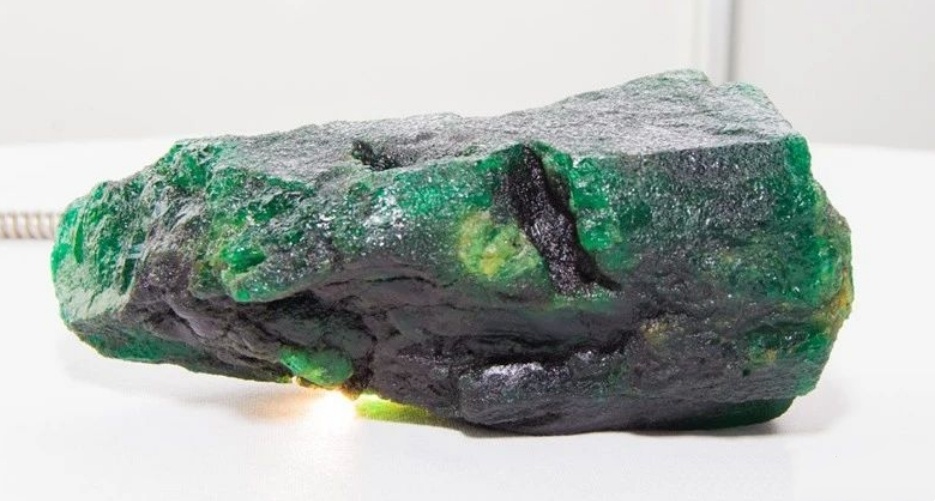
Figure 5, Nsofu Elephant Emerald (weighing about 6225 carats). (Source: Gemfields)
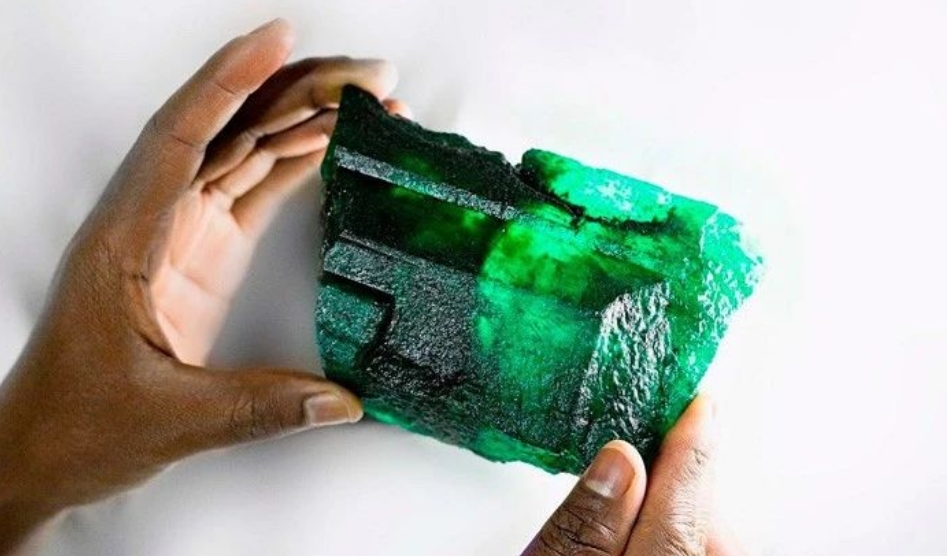
Figure 6, Inkalamu Lion Emerald (weighing about 5655 carats). Source: Gemfields
Jackson Mtonga, deputy manager of Sort House at Gemfields’ Kakimu Emerald Mine in Zambia, said: “One of the main themes of Gemfields is that Africa’s gem resources must benefit the host economies of the gemstone origin countries, while the derived wealth must be used for local ecological protection activities, and by funding public welfare projects such as education, health care and livelihood assistance, it will benefit future generations. This time, we are also very happy to announce that the Chipembele rhino emerald rough will uphold this tradition and donate the proceeds from the auction to fund local rhino conservation programs, actively responding to Zambia’s wildlife protection movement.”
About Gemfields
Gemfields is a leading global supplier of responsibly sourced coloured gemstones. As the operator and 75% owner of the Kagemu emerald mine in Zambia, widely regarded as the world’s largest emerald mine, and the Montepuez ruby mine in Mozambique, one of the world’s most important recently discovered ruby deposits, Gemfields believes that coloured gemstones should be mined and marketed in accordance with the three key principles of transparency, legality and integrity.
Gemfields has opened a state-of-the-art coloured gemstone sorting room at its Mozambique mine, using state-of-the-art equipment such as optical sorters. In addition, Gemfields has established a proprietary gemstone grading system, pioneered an auction trading platform, and actively organized various marketing activities to further promote the rise of coloured gemstones in Africa. This achievement is inseparable from Gemfields’ belief that coloured gemstones should have a positive impact on their countries of origin and local communities.
In order to provide colored gemstones with reliable sources, Gemfields has adopted a series of business policies and practices that lead the industry, implement open and transparent auction procedures, actively operate community projects in the fields of health, education, livelihood, etc., and contribute to the conservation of African wildlife and biodiversity. In view of this, Gemfields believes that nature reserves are the habitats of these wild animals and are also key areas for the continuation of biodiversity. Therefore, the group firmly opposes mining operations in protected areas.
The Gemfields Foundation is an independently operated charitable organization under the group. Kind-hearted people can directly fund a number of community assistance projects and natural ecology and wildlife protection programs in Africa through the foundation, helping Gemfields' local public welfare and expanding the scope of beneficiaries.
Fabergé is not only an iconic brand with a long-standing reputation, but also a jewelry brand under the Gemfields Group. Fabergé's beautiful and moving ingenuity design allows Gemfields to more effectively spread the concept of "responsible mining of colored gemstones", thereby raising consumer awareness and helping Gemfields promote colored gemstones with reliable sources.