Charming treasure - apatite
Apatite refers to phosphorus-containing ore in which phosphorus exists in the form of crystalline apatite in igneous and metamorphic rocks. It is a general term for a series of calcium-containing phosphate minerals.
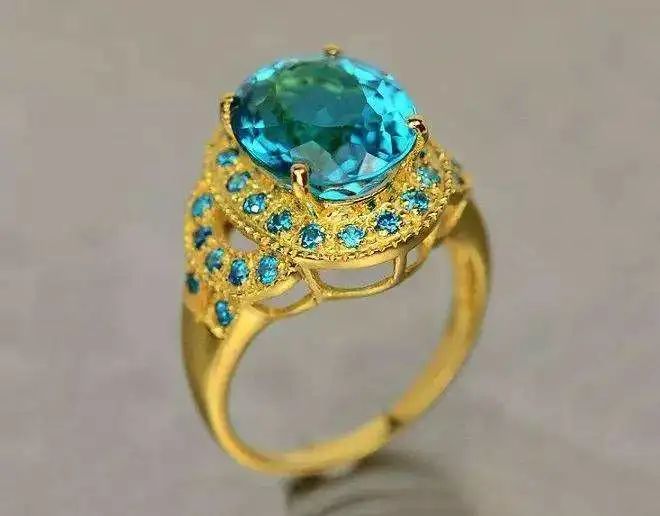
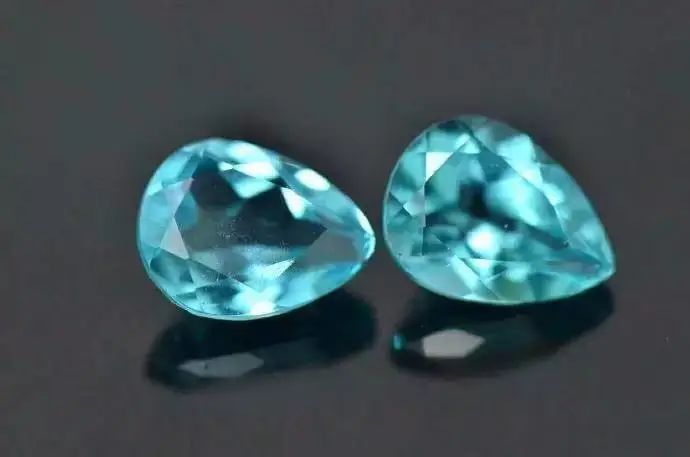
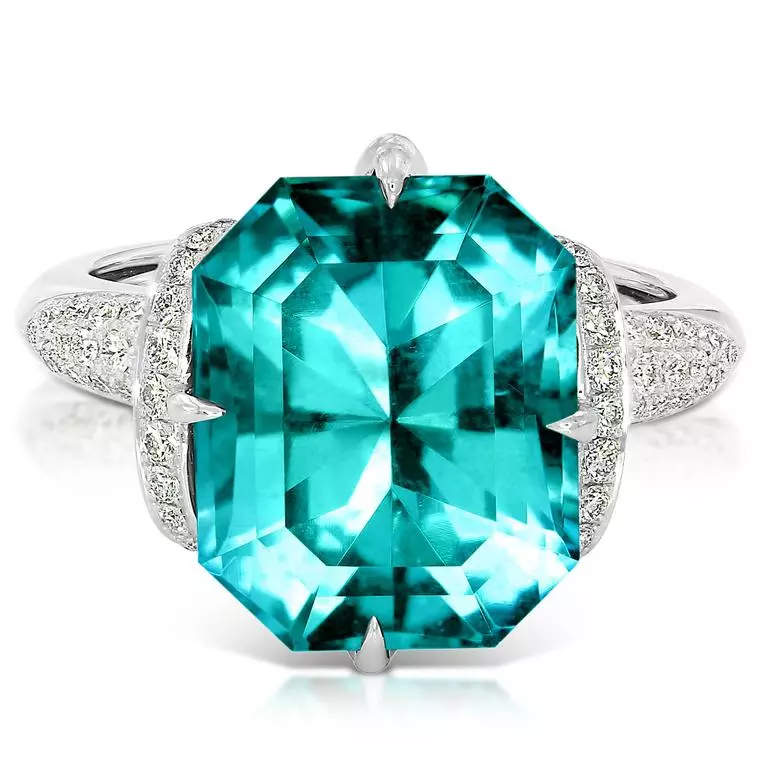
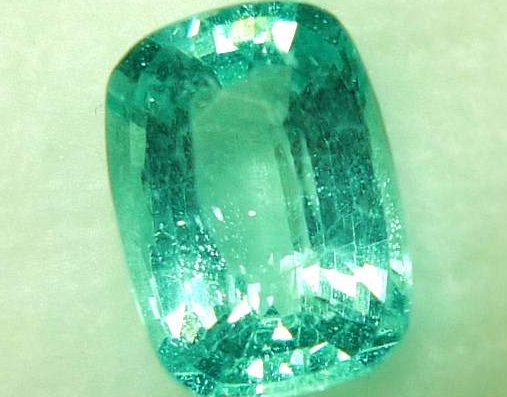
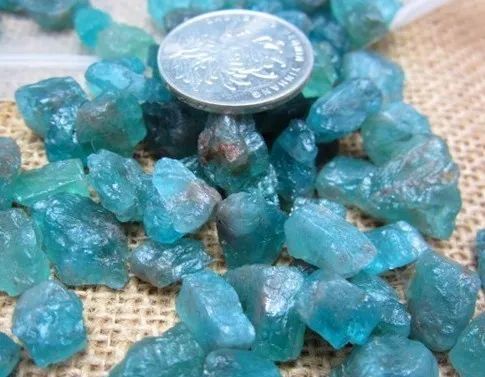
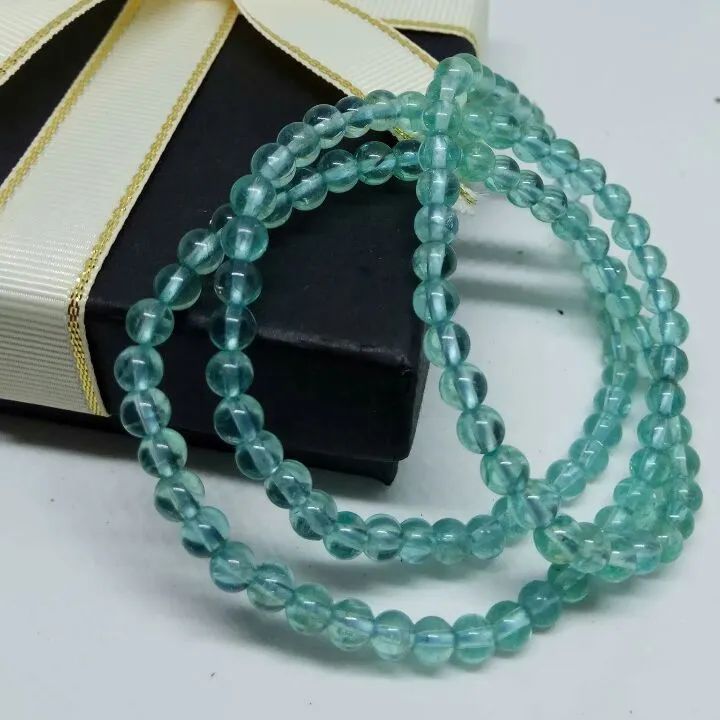
The English name of apatite is "apatite", which comes from Greek and means "deceive, mislead", because apatite can be easily mistaken for other minerals such as quartz, peridot, topaz, aquamarine, etc. Common colors of apatite include light green, yellow-green, light purple, etc. The most beautiful apatite is the blue-green variety.
Subspecies of Apatite
luorapatite: A widely distributed type of apatite mineral. Colorless apatite from Sweden, green apatite from Canada, blue-green apatite from Finland, and purple apatite from Maine, USA are all fluorapatite.
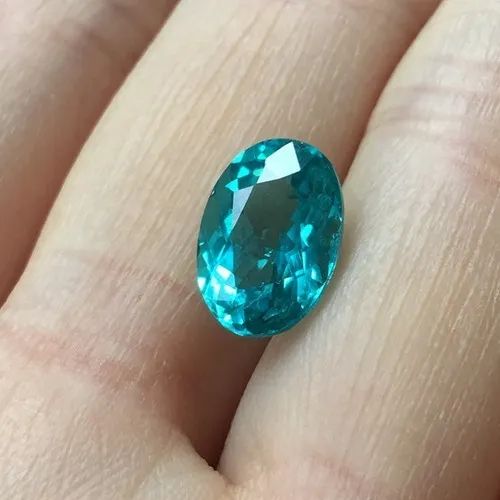
Chlorophosphorus: It is also a common apatite. The refractive index of apatite is relatively high, generally NO=1.667, Ne=1.664. There is no known important gem variety of chlorapatite.
Hydroxyapatite: Apatite with hydroxyl as the main anion. Yellow crystals from Durango, Mexico, blue-green crystals containing manganese from Sweden, and apatite gemstones from Georgia, USA are known to be hydroxyapatite.
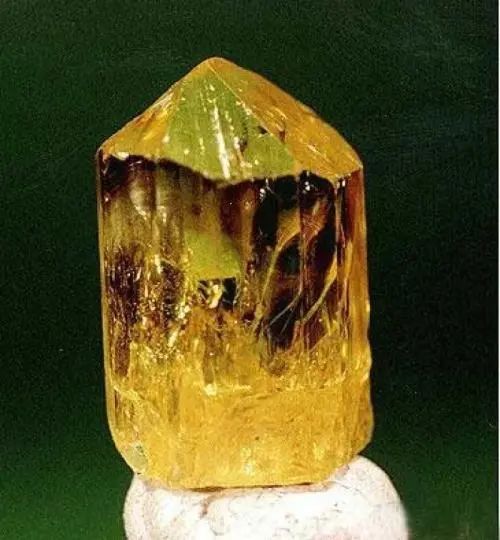
Carbonate apatite: Apatite composed of carbonate ions. The gem apatite known from England and other places belongs to this category.
Oxysilicon apatite: also called silicon sulfur phosphate, is a rare apatite mineral. Crystals are often cylindrical, and can also be seen in granular and massive aggregates; light pink, light yellow and rose red; glass-resin luster; found in metamorphic dolomite, known origins include the Ural Mountains in Russia, California in the United States and Germany.
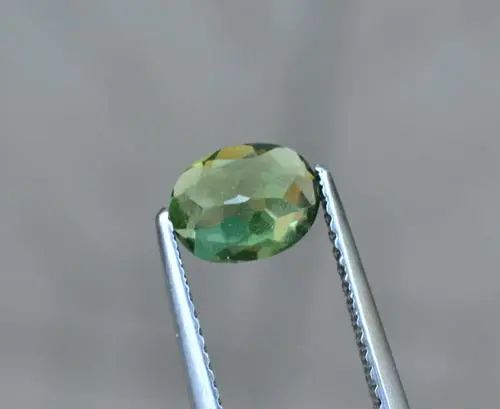
Yellow-green Apatite: Apatite gemstone with unique and beautiful yellow-green color produced in Murcia, Spain.
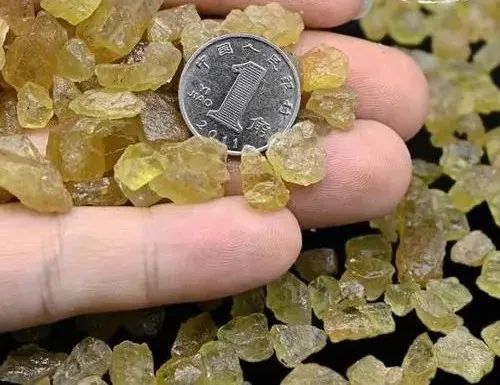
Emerald Apatite: or Trillium Stone. This is a kind of apatite with a rich emerald-like dark green color produced in Quebec and Ontario, Canada. In terms of its chemical composition, it belongs to Fluorapatite.
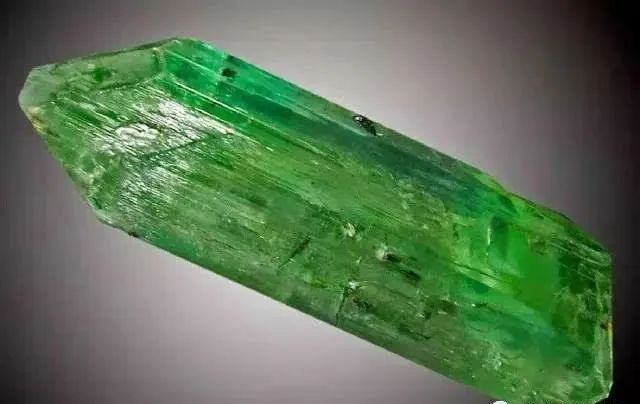
Blue Apatite: Apatite with a blue hue. Sapphire-like blue apatite from Minagile, Brazil. In addition, gem-quality blue apatite is also produced in Sri Lanka and Mogok, Myanmar.
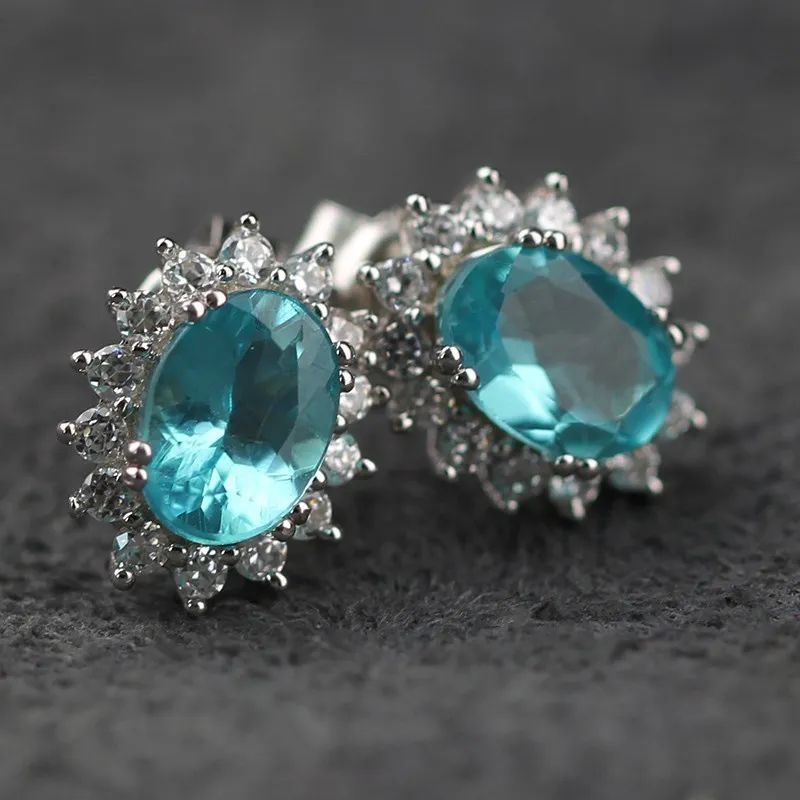
Purple apatite: refers to apatite with a purple hue. Purple apatite crystals are produced in Maine, the United States, Bohemia, Czech Republic, Germany, India and other places.
Lapis lazuli: a block of sky blue apatite similar to lapis lazuli. From Siberia, Russia.
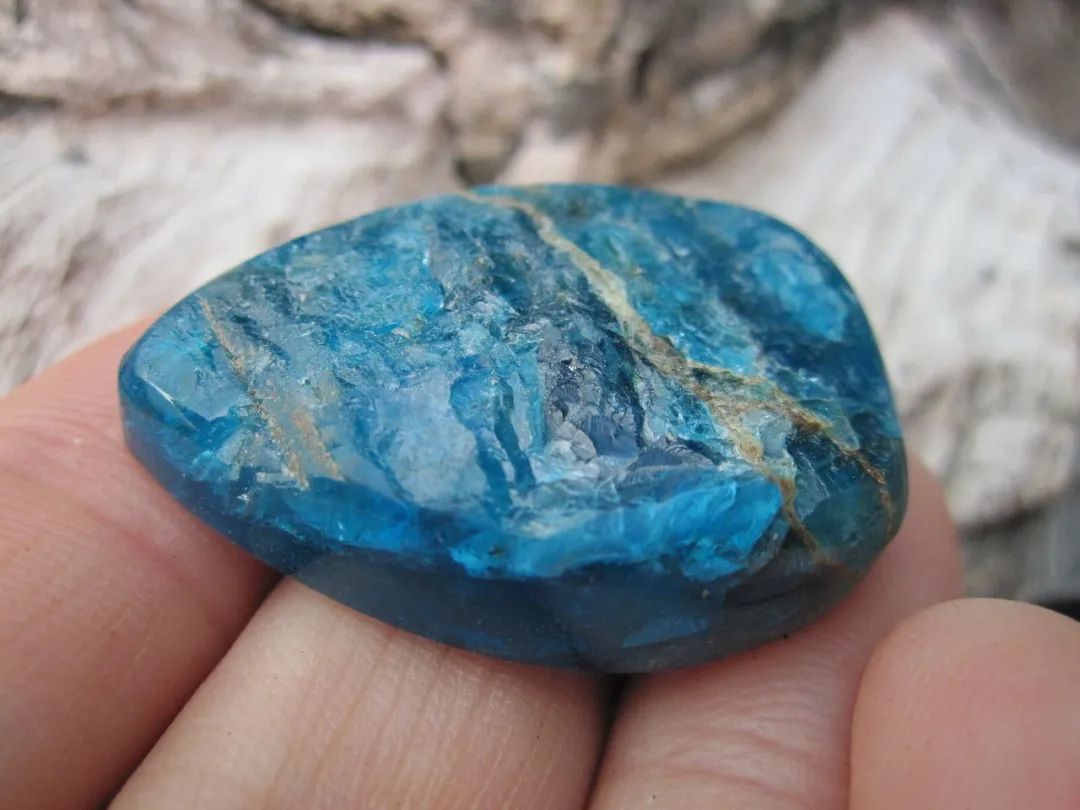
Manganese apatite: A beautiful blue-green apatite containing manganese, mainly produced in Arendelle in southern Norway, as well as Canada and Siberia, Russia.
Apatite Identification Information
Chemical composition: calcium phosphate, chemical formula is Ca 5 (PO 4 ) 3 (F,OH,Cl)
Crystal system and crystal form: It belongs to the hexagonal crystal system, often in the form of hexagonal columns and plates, and some crystals can be seen with well-developed hexagonal bipyramids.
Color: yellow to light yellow, blue, green, light green, purple, pink, colorless, etc.
Optical characteristics: inhomogeneous body, uniaxial crystal, negative light.
Refractive index and birefringence: refractive index is 1.634-1.638, birefringence is 0.002-0.008.
Mohs hardness: 5 (belongs to the gem with lower hardness, be careful to prevent bumps or scratches when wearing)
Fracture: shell-shaped-uneven, sometimes oily luster can be seen on the fracture
Density: 3.13-3.23; when there are a large number of mineral inclusions, such as Tanzanian apatite cat's eye, the density can reach 3.35
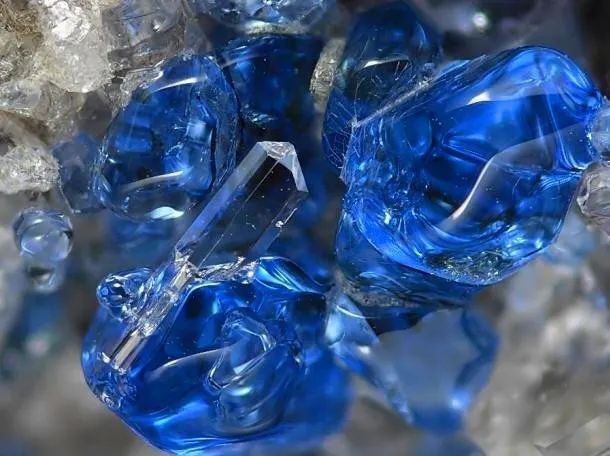
Apatite crystal
Geological Origin and Occurrence
Apatite is a typical multi-genetic through-going mineral, widely distributed in igneous rocks, pegmatites, metamorphic rocks, and sedimentary rocks. Gem-grade apatite is mainly produced in granite pegmatites and igneous rocks, and can be enriched in secondary gravel layers. It is less produced in other metamorphic rocks and sedimentary rocks.
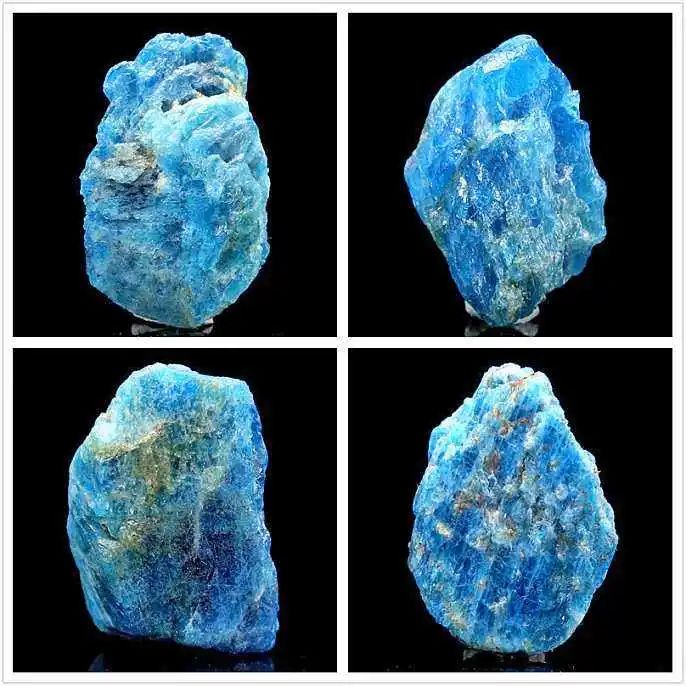
Typical characteristics of apatite
It is able to emit light. What we usually call mineral luminescence includes two situations:
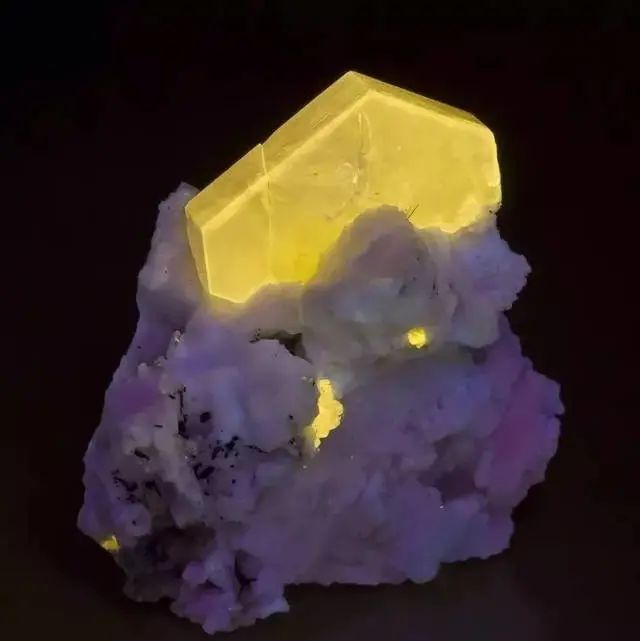
One is that the mineral emits light due to the stimulation of external energy. When the external excitation energy stops, the mineral stops emitting light. This kind of light is fluorescence, such as the luminescence of diamond, fluorite and scheelite.
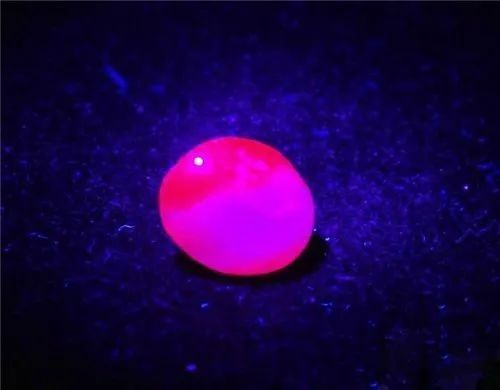
Another situation is that if the external excitation energy stops, the mineral can still glow for a period of time. This light is called phosphorescence. Some apatites contain other trace elements, which can slowly release energy in the dark after heating, producing a weak light, and this luminescence phenomenon can last for several hours, which adds a sense of mystery to the mineral.
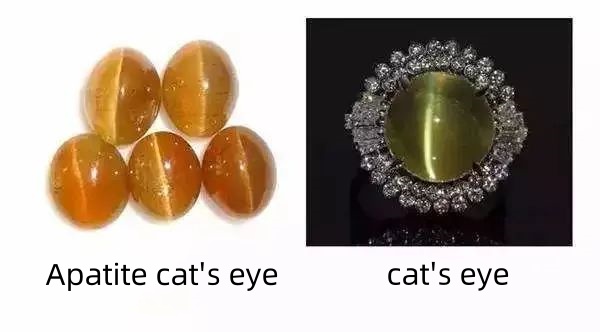
People have also discovered that some apatites have a cat's eye effect - apatites with a curved top will show a bright band of light under bright light, and when the gem is turned, the light band will flash as well, just like a cat's eye in the dark.
Origin information
The countries that produce gem-grade apatite in the world include Myanmar, Sri Lanka, India, the United States, Mexico, Brazil, Canada, Norway, the former Soviet Union, Spain, Portugal, Italy, the former Czechoslovakia, Germany, Madagascar, Tanzania, Kenya, China, etc.
Gem-grade apatite in my country is mainly produced in the Keketuohai granite pegmatite in Xinjiang and the diopside pegmatite veins and granite pegmatite veins in Inner Mongolia. In addition, it has also been found in Hebei, Henan, Gansu, Yunnan and other places.
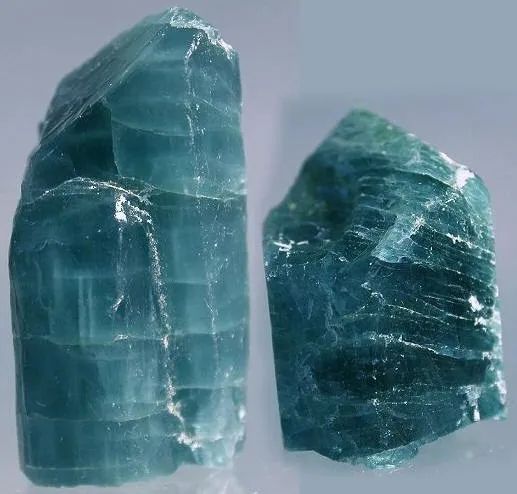
Special optical effects
The cat's eye effect is caused by the presence of fibrous growth tubular inclusions or densely oriented cracks in apatite.
Apatite quality evaluation
Gem-grade apatite requires uniform, pure, bright color, good transparency, and no cracks or other defects. Larger particle size or block size is preferred. Even if some crystals have poor transparency, they can increase their value by having a cat's eye effect.