

Global diamond giant De Beers announced that it would stop cultivating diamonds in the jewelry field
Recently, South African diamond giant De Beers Group revealed during the JCK Las Vegas jewelry trade show that according to the strategic restructuring plan, the group will suspend the production of laboratory-grown diamonds at its Lightbox factory in Gresham Oregon, and switch to producing industrial diamonds for scientific and technological applications.
This also marks the end of De Beers' six-year experiment with Lightbox producing its own laboratory-grown diamonds since 2018.
This also marks the end of De Beers' six-year experiment with Lightbox producing its own laboratory-grown diamonds since 2018.
De Beers CEO Al Cook confirmed the decision at the JCK Las Vegas breakfast. While the Gresham Lightbox factory is undergoing production transformation, De Beers also announced that it will integrate the chemical vapor deposition (CVD) diamond production facilities of Element Six, another wholly-owned subsidiary of the group, from three factories to one factory in Oregon.
In the future, all laboratory-grown diamonds produced by Element Six will be used for scientific purposes.
"We believe that the value of laboratory-grown diamonds lies in science and technology, not in jewelry.
In the future, all laboratory-grown diamonds produced by Element Six will be used for scientific purposes.
"We believe that the value of laboratory-grown diamonds lies in science and technology, not in jewelry.
Al Cook also added, “Element Six used to produce diamonds because they were hard and could be used in industry…Now, as the price of synthetic diamonds has dropped, it has been able to open up a whole range of amazing technological activities. We are working with…a number of high-tech companies to figure out how to use diamonds as a component material in the digital age. This is really exciting for us. This is where the future of synthetic diamonds lies.”
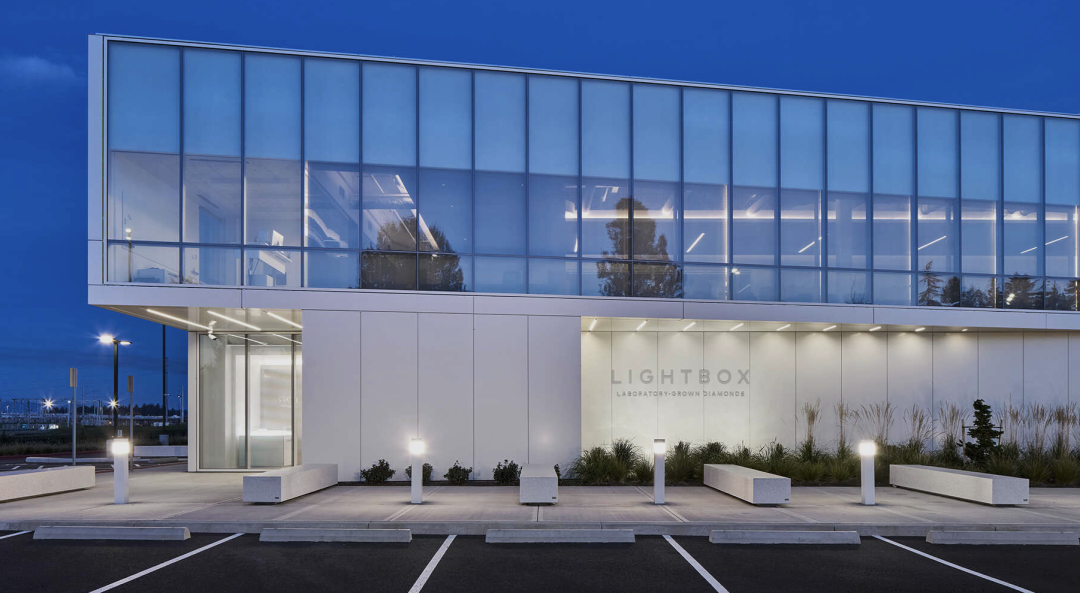
Speaking of the future of the Lightbox brand, Al Cook further stated in an interview with the media National Jeweler that Lightbox will continue to operate as a consumer brand and continue to sell existing inventory. After that, when the existing cultured diamond inventory is exhausted, the Lightbox brand will re-evaluate its positioning. "Currently, we have a large number of cultured diamonds available for Lightbox. Production will continue for a few months to ensure that the brand has enough laboratory-grown diamonds for subsequent sales... We will continue to observe the development direction of the brand to determine the subsequent measures to be taken."
I
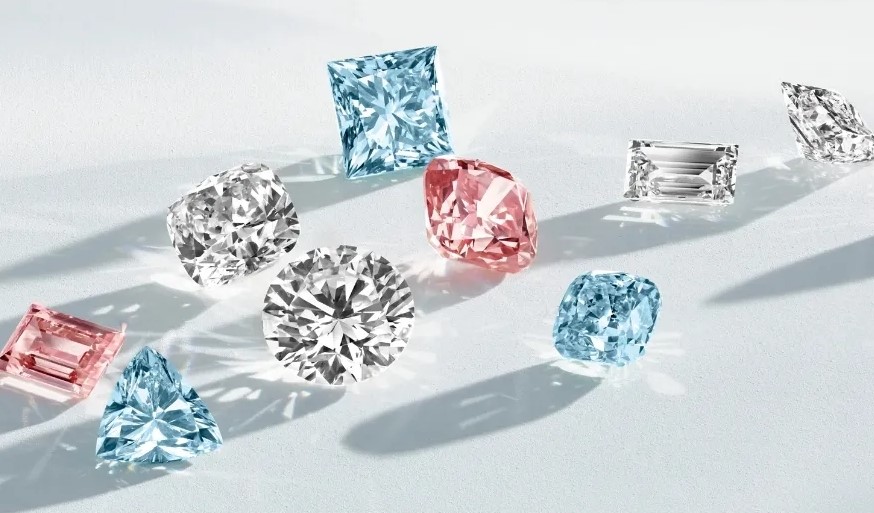
n recent years, the price of man-made diamonds has dropped sharply, affecting retail profits. Previously, Lightbox has lowered the retail pricing of its man-made diamond products. For example, the retail price of DF color grade, VS clarity and excellent cut diamonds is $900 per carat, a price reduction of 40%; the retail price of standard series IJ color grade diamonds is $500 per carat, a price reduction of more than 37%; the price of GF color grade diamonds has been reduced by 25%, selling for $600 per carat.
In this regard, Al Cook said that De Beers Group expects this trend to continue. "For many retailers, the motivations for selling natural diamonds and selling synthetic diamonds are opposite. More than a year ago, there was a period of time when retailers sometimes made higher profits by selling synthetic diamonds.
Synthetic diamonds are cheap to manufacture and can be sold as commodities close to natural diamonds. But De Beers Group did not do this.
Synthetic diamonds are cheap to manufacture and can be sold as commodities close to natural diamonds. But De Beers Group did not do this.
We made it clear with Lightbox that these were two completely different propositions, but not everyone followed our approach. Now, it’s clear that for all the retailers I’ve spoken to, the margins on selling natural diamonds are much higher than the margins on selling synthetics. And it’s clear that the gap is going to get bigger, not smaller. We expect the price of synthetic diamonds to keep falling, and keep plummeting.”
In a report released in February this year, De Beers' parent company Anglo American also said that the price drop is expected to further deepen the difference in consumer perceptions between lab-grown diamonds and natural diamonds. "Wholesale prices for lab-grown diamonds are falling sharply, causing financial challenges for some leading lab-grown diamond producers," the group wrote in a statement. "It is expected that the price drop will lead to further significant retail price reductions, and De Beers' Lightbox brand will test its products with significant price cuts." A spokesperson told Rapaport News that the focus of this test is to ensure that Lightbox can reflect the current dynamics and trends in the lab-grown diamond industry.
Sandrine Conseiller, CEO of De Beers, said, “Lightbox has been committed to linear pricing, reflecting linear production costs, and transparently explaining to the market what laboratory-grown diamonds are, and just as importantly, what they are not.
… We believe that jewelry consumers must understand that laboratory-grown diamonds are a unique product category because they do not have the same lasting value as natural diamonds.”
… We believe that jewelry consumers must understand that laboratory-grown diamonds are a unique product category because they do not have the same lasting value as natural diamonds.”
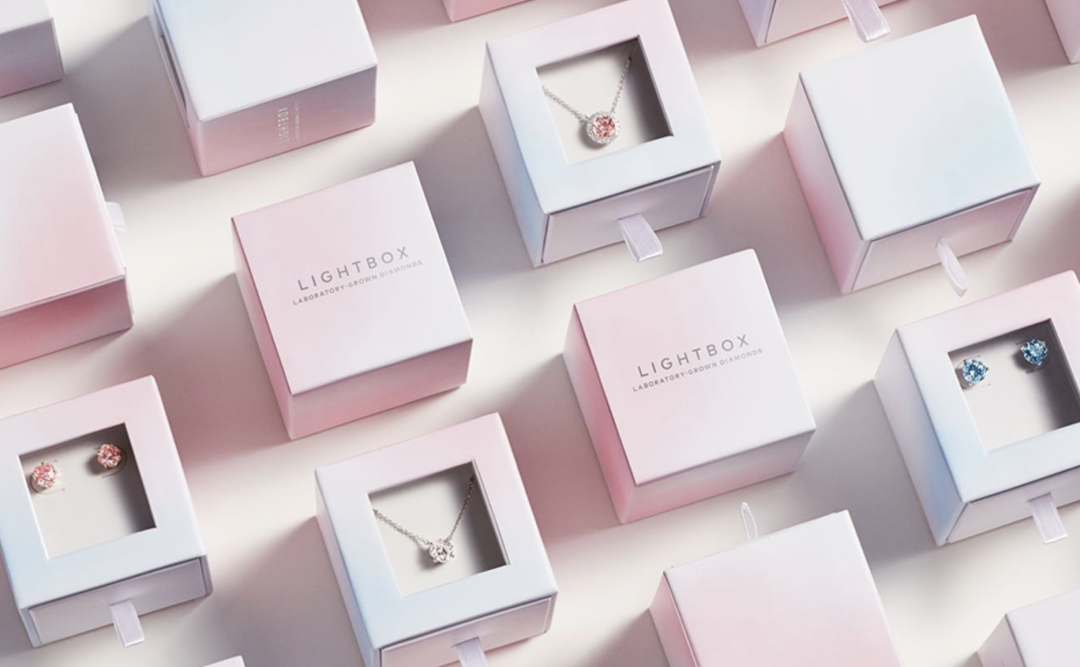
Lightbox, a lab-grown diamond brand, was launched by De Beers during the 2018 Las Vegas Jewelry Show. It is headquartered in Portland, Oregon and produces more than 200,000 diamonds per year. Initially, De Beers grew diamonds for Lightbox at its Element Six factory in the UK. In October 2020, the company opened the $94 million Lightbox factory in Gresham, a suburb of Portland.
To control the direction of the lab-grown diamond market, De Beers set a base price of $800 per carat for the line and marketed Lightbox as jewelry for "not-so-special special occasions," such as a 16th birthday or graduation, rather than milestones worth celebrating with natural diamonds, such as engagements or anniversaries.
This lab-grown diamond experiment is also part of De Beers' strategy called "Origins," which aims to meet market demand for diamonds while reducing costs.
This lab-grown diamond experiment is also part of De Beers' strategy called "Origins," which aims to meet market demand for diamonds while reducing costs.
Source: Luxe.Co, Lightbox official website